The Essential Guide to Artificial Grass Installation: Reinvent Your Lawn Today
Artificial grass installation presents a practical solution for homeowners seeking easy-care yard solutions. The following content covers what synthetic turf has to offer, from year-round greenery to less maintenance. This resource also addresses picking the most suitable synthetic grass option and must-have equipment for a smooth installation. Being aware of frequent mistakes helps conserve time and resources. As the project progresses, it is natural to consider what the full investment involves and how to guarantee a seamless transformation.
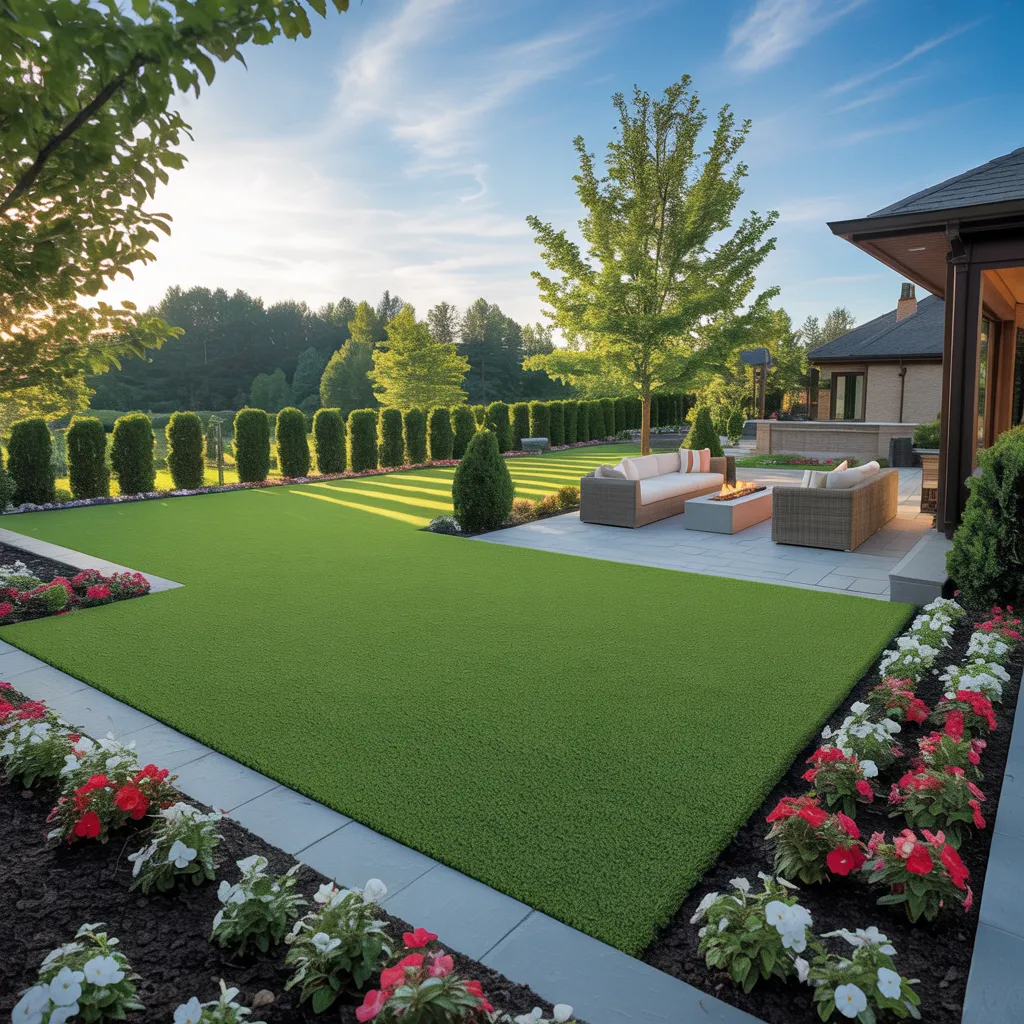
Why Select Artificial Grass
Many homeowners are increasingly opting for artificial grass thanks to its countless advantages. A key benefit is the minimal upkeep it requires; synthetic turf does away with the need for mowing, watering, and fertilizing, saving both time and money. Additionally, it maintains a rich green look throughout every season, irrespective of the climate, delivering a consistently stunning yard.
Another significant benefit is its exceptional resilience. Top-grade artificial lawn can endure substantial foot traffic and is highly durable against daily wear, making it suitable for families with pets and children. Furthermore, it promotes environmental responsibility by minimizing water usage and eliminating the reliance on chemical treatments additional information and pesticides.
In addition, artificial grass presents versatility in aesthetics, enabling residents to create practical areas such as activity areas, athletic surfaces, or decorative gardens. This adaptability makes it an appealing solution for numerous garden design demands, enhancing the visual appeal of domestic properties.
Selecting the Best Type of Artificial Grass for Your Requirements
How can one identify the most suitable artificial grass variety for particular requirements? Initially, it is necessary to evaluate the desired purpose. Private garden areas may call for a softer, more natural appearance, while professional environments might prioritize resilience and ease of care. Next, consider the pile height and density. Taller, denser grass provides a lush look but may need greater care, while lower-profile options are simpler to maintain.
Additionally, the texture and color affect visual appeal. Selecting a tone that imitates natural grass boosts authenticity, while varying textures can increase durability under foot traffic. Climate-related considerations such as weather conditions and sunlight are also important; UV-stable varieties are advisable in places with high UV levels.
Additionally cost considerations should be factored in, as costs differ significantly among various options. By evaluating these factors, homeowners can identify the best fitting artificial lawn choice designed to meet their unique demands.
Essential Tools and Materials for Installation
When installing artificial grass, having the right tools and materials is vital for achieving a professional finish. The following section details the necessary tools needed, presents a checklist of essential materials, and highlights the importance of safety gear. Thorough preparation secures a more efficient installation process and elevates the final results.
Essential Tools Summary
When embarking on an artificial grass installation project, having the right tools and materials at hand is essential for a successful outcome. Essential tools consist of a precision cutting knife for precise cutting, a measurement tool for accurate dimensions, and a rake for leveling the ground. A digging shovel is needed for digging out existing grass and soil, while a plate compactor provides a solid foundation. Additionally, a seam tape and adhesive are critical for joining pieces of turf seamlessly. A straight board or edge guide can ensure neat and clean edges while installing. Lastly, a broom or brush is ideal for reviving the grass fibers after installation. Having these tools on hand will simplify the process and improve the overall outcome.
Required Materials Checklist
A proper synthetic turf installation relies on a comprehensive list of materials to confirm all required supplies are on hand. Key materials include high-quality artificial grass, which should match the intended appearance and strength. A durable underlayment is critical for cushioning and drainage, while filler material, such as sand or rubber, adds weight and stability. Bonding agents and joining tape are required for joining edges, maintaining a smooth finish. Landscape fabric prevents weed growth beneath the grass, enhancing longevity. Moreover, border restraints, like rigid border materials, help maintain the lawn's shape. To conclude, a reliable drainage system is essential to prevent water accumulation. Having these materials on hand facilitates the installation procedure, supporting an effective upgrade of the outdoor space.
Essential Safety Gear
While starting an artificial grass installation project, having the right safety gear is essential to guarantee a smooth and protected workflow. Installers should start with safety goggles to protect against sharp objects and debris. Industrial-grade gloves are necessary for shielding hands from scrapes and cuts when working with tools and turf materials. Steel-capped boots offer extra protection for feet, most importantly when transporting heavy materials. A protective helmet is recommended in areas where overhead dangers may exist. Additionally, knee pads can enhance comfort and safety when kneeling during installation. Ear protection may be necessary when using power tools that generate significant noise. By utilizing these critical safety items, workers can reduce hazards and stay focused on their work.
Your Step-by-Step Guide to Installing Artificial Grass
Artificial grass installation consists of a series of clear, methodical steps that deliver a successful makeover of any exterior space. First, the area must be measured and marked, guaranteeing exact dimensions are established for the work. Next, any existing grass or debris should be removed, with excavation then performed to establish a solid foundation. A bed of crushed rock or gravel is then applied to promote effective drainage.
When the base preparation is complete, a geotextile membrane is installed to inhibit weed development. The artificial grass is unrolled, trimmed to fit, and firmly fixed using ground staples. Seams are joined with adhesive or tape for a seamless look. As a finishing step, filling material, such as silica sand or rubber granules, is applied to stabilise the turf and improve its look. Careful brushing concludes the fitting, ensuring the grass fibers stand upright, creating a dense, vibrant surface that is immediately usable.
Typical Installation Mistakes and How to Prevent Them
A variety of errors can emerge during the application of synthetic turf, potentially compromising the overall finish. A frequent error involves inadequate site preparation, which can result in poor drainage and uneven terrain. A thorough excavation and a stable foundation are critical for lasting results. An additional typical problem concerns underestimating the volume of materials necessary, resulting in insufficient coverage or wasted resources. To avoid this, accurately measure the installation area and account for seams and contours.
Furthermore, neglecting to secure the edges can lead to the grass becoming loose or displaced over time. Utilizing proper adhesives and fastening approaches is necessary. To conclude, overlooking the proper brushing or infilling of the grass can result in an artificial look and diminished longevity. By proactively resolving these installation challenges, property owners can create a flawless and attractive synthetic lawn that improves their outdoor area.
What to Expect in Terms of Cost for Installation?
When evaluating synthetic turf installation, it is vital to have a clear picture of the related expenses. This involves both the material expenses for the turf and required components, as well as labor expenses for professional setup. An accurate budget will allow homeowners make informed decisions about their landscaping investments.
Material Costs for Installation
Artificial grass installation involves numerous material costs that differ considerably based on factors such as quality and project size. The biggest expenditure is the synthetic turf itself, which typically costs between $2 and $8 per square foot, depending on the material's durability and appearance. In addition, infill materials, such as silica sand or rubber granules, typically cost between $0.50 and $2 per square foot. Other essential supplies, including weed barriers, adhesive compounds, and seam tape, could increase costs by $1 to $3 per square foot. On bigger projects, volume discounts may be offered, possibly decreasing the final project cost. Homeowners need to account for the cost of essential ground preparation materials, which may include gravel or decomposed granite, that can influence the total project expenditure.
Labor Cost Breakdown
Labor fees play a significant role in the total expense of artificial turf installation. In most cases, these expenses fall from $5 to $15 per square foot, based on the project's complexity and the installer's expertise. Factors influencing labor expenses include ground preparation, the overall area size, and the type of artificial grass selected. Should significant leveling or drainage work be needed, costs may increase. Furthermore, engaging experienced contractors can increase total spending but often ensures higher quality work and a longer-lasting finished product. Homeowners should obtain multiple quotes to assess pricing structures and service options, making sure they select a competent installer that fits their budget. Having knowledge of these labor fees can be beneficial when planning a smooth and effective artificial grass installation.
Frequently Asked Questions
What Is the Typical Lifespan of Artificial Grass?
Artificial turf generally has a lifespan of anywhere from 15 to 25 years, influenced by factors like installation quality, regular maintenance, and climate conditions. Regular maintenance can extend its longevity, making it a long-lasting solution for outdoor spaces.
Is Artificial Grass Recyclable?
Artificial grass can absolutely be recycled. A wide range of manufacturers and recycling facilities will take used turf, enabling it to be reused for a variety of purposes, including playground surfaces and landscaping applications, thus minimizing environmental impact while encouraging sustainability.
Is Artificial Turf Safe for Animals?
Artificial grass is generally safe for pets, as it is free of toxic substances and harmful chemicals. However, pet owners should ensure proper drainage and maintenance to prevent odors and guarantee a safe and clean environment for their pets.
Do You Need to Maintain Artificial Grass?
Artificial turf needs significantly less maintenance compared to natural grass. Regular tasks include occasional brushing, rinsing to remove debris, and monitoring seams for any deterioration. In general, it offers a low-maintenance alternative while maintaining a visually appealing lawn.
Is Installing Artificial Grass Over Existing Grass Possible?
Absolutely, artificial grass can be installed over existing grass, but it's important to prepare the surface properly. This includes clearing away debris, making the ground even, and ensuring adequate drainage to minimize potential issues down the line.